Medical Overview: Types of Jaundice in Pregnancy
There are two main types of jaundice. Physiological jaundice is the most common type and generally harmless. It often resolves itself as your body adjusts to pregnancy changes. Pathological jaundice, on the other hand, might point to health problems. For pregnant women, this could mean issues with the liver, such as hepatitis, or blood disorders. Knowing which type you’re facing helps doctors decide the right course of action to ensure safety for you and your baby.
Unraveling the Causes and Management of Jaundice
Understanding why jaundice happens during pregnancy involves looking at several factors. Liver conditions, such as hepatitis or fatty liver, and hemolytic disorders, which affect red blood cell breakdown, are common culprits. Effective management involves regular prenatal care, ensuring that any early signs of jaundice symptoms in pregnancy are caught. Medical interventions might include medication or, in some cases, hospital observation. Always maintain clear communication with your doctor throughout pregnancy.
Lifestyle and Dietary Adjustments to Manage Jaundice
Managing jaundice during pregnancy can often be aided by simple lifestyle changes. Diet plays a crucial role. Incorporating foods rich in antioxidants, like berries, and whole grains can support liver health. Also, stay hydrated and ensure adequate rest to aid recovery. Simple daily habits can make a big difference in easing jaundice symptoms and supporting overall wellness.
- Antioxidant-rich foods: Berries, spinach
- Whole grains: Rice, oats
- Hydration: Water, herbal teas
Spotting Jaundice Symptoms: A Quick Guide
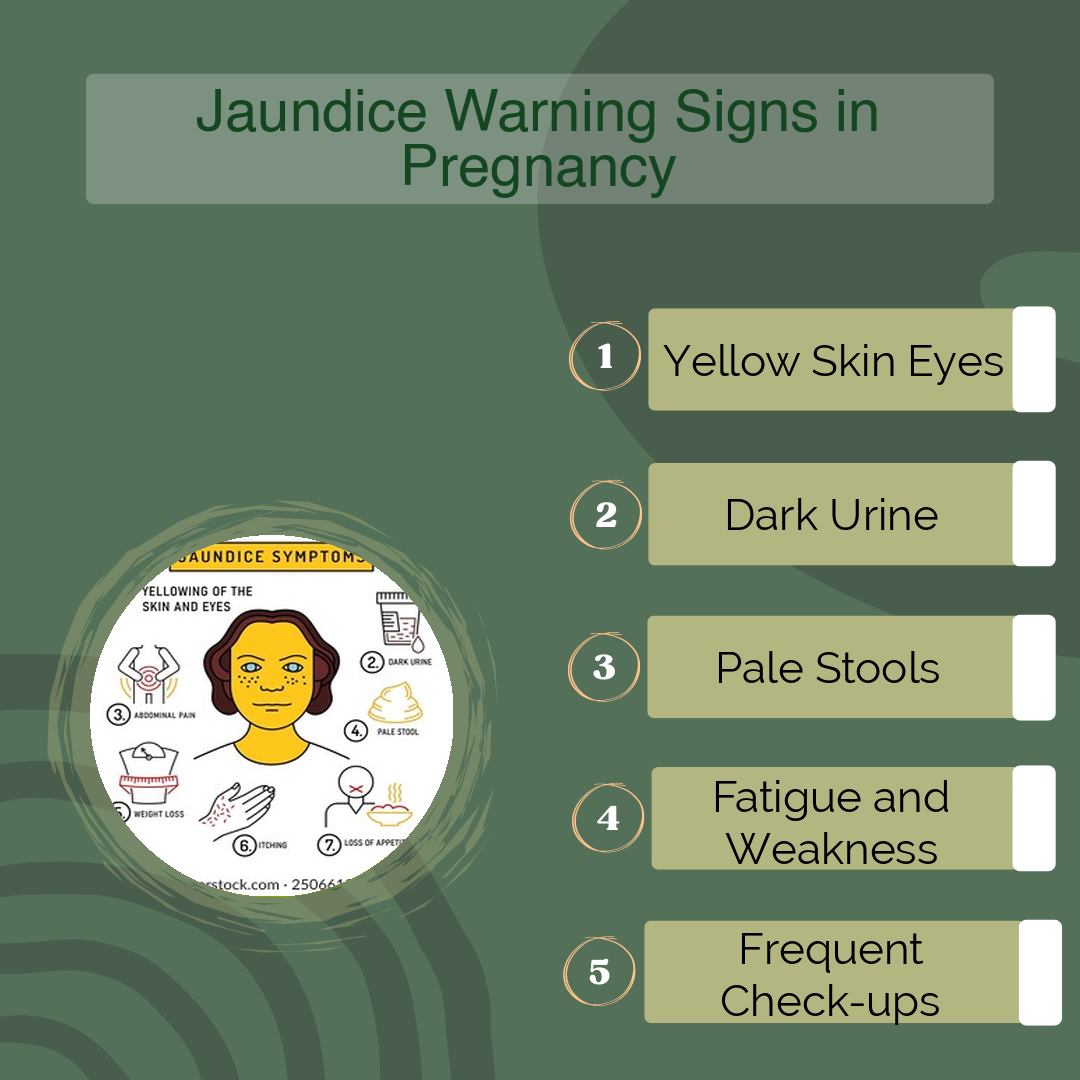
Spotting jaundice symptoms in pregnancy early is crucial. Look for yellowing of the skin and eyes, darker urine, and extreme fatigue. A quick symptoms checklist should include checking for any changes in complexion or energy levels. Consult your doctor if these signs appear. Trust your instincts, and don’t hesitate to ask for medical advice when in doubt.
- Skin yellowing
- Dark urine
- Unusual tiredness
Coping with the Emotional Impact of Jaundice
Being diagnosed with jaundice while pregnant can be emotionally challenging. It’s natural to feel worried or stressed. Focus on coping mechanisms such as talking to your partner and seeking professional mental health support if needed. Relaxation techniques like meditation or yoga can also be beneficial. Remember, it’s okay to ask for help and prioritize your mental well-being.
Harnessing Family Support and Community Resources
Family support is vital in managing jaundice symptoms during pregnancy. Sharing duties and responsibilities can provide you the rest and care you need. There are also community support programs available to offer guidance and help. Look for groups or services geared toward expectant mothers to find the assistance you need.
Dispelling Myths and Misconceptions about Jaundice
There are many myths surrounding jaundice, such as it being contagious or only affecting the baby. Understanding that jaundice is related to liver function or blood cell breakdown can debunk these myths. Equip yourself with factual information. Knowledge is empowering for expecting mothers, helping you make informed decisions.
Understanding the Risks: Complications of Untreated Jaundice
Untreated jaundice symptoms in pregnancy can lead to serious health complications for both mother and baby. It may cause severe anemia or liver issues, which can impact pregnancy health. Ensuring timely treatment minimizes risks and promotes healthy outcomes. Always keep open communication with your healthcare provider to address any concerns promptly.
Experiences of Overcoming Jaundice During Pregnancy
Many women have successfully managed jaundice during pregnancy by facing challenges head-on. Take inspiration from stories of those who have navigated this condition and emerged stronger. Lessons learned emphasize the importance of early intervention and ample support systems.
Navigating Healthcare Resources for Jaundice in Pregnancy
Navigating healthcare options when dealing with jaundice symptoms in pregnancy is crucial. In places like India, there are varied options for prenatal care, offering both public and private services. Understanding availability and quality of care can help you make informed choices. Utilize these resources to ensure comprehensive care.
Conclusion: Prioritizing Prenatal Health
Pregnancy is a journey filled with joys and challenges. By understanding and recognizing jaundice symptoms in pregnancy, you can take proactive steps to protect your health and your baby’s well-being. Regular medical check-ups, open communication with healthcare providers, and surrounding yourself with informed, supportive family and community systems are key. Always prioritize timely healthcare to ensure you and your baby remain healthy, happy, and prepared for what comes post-pregnancy.