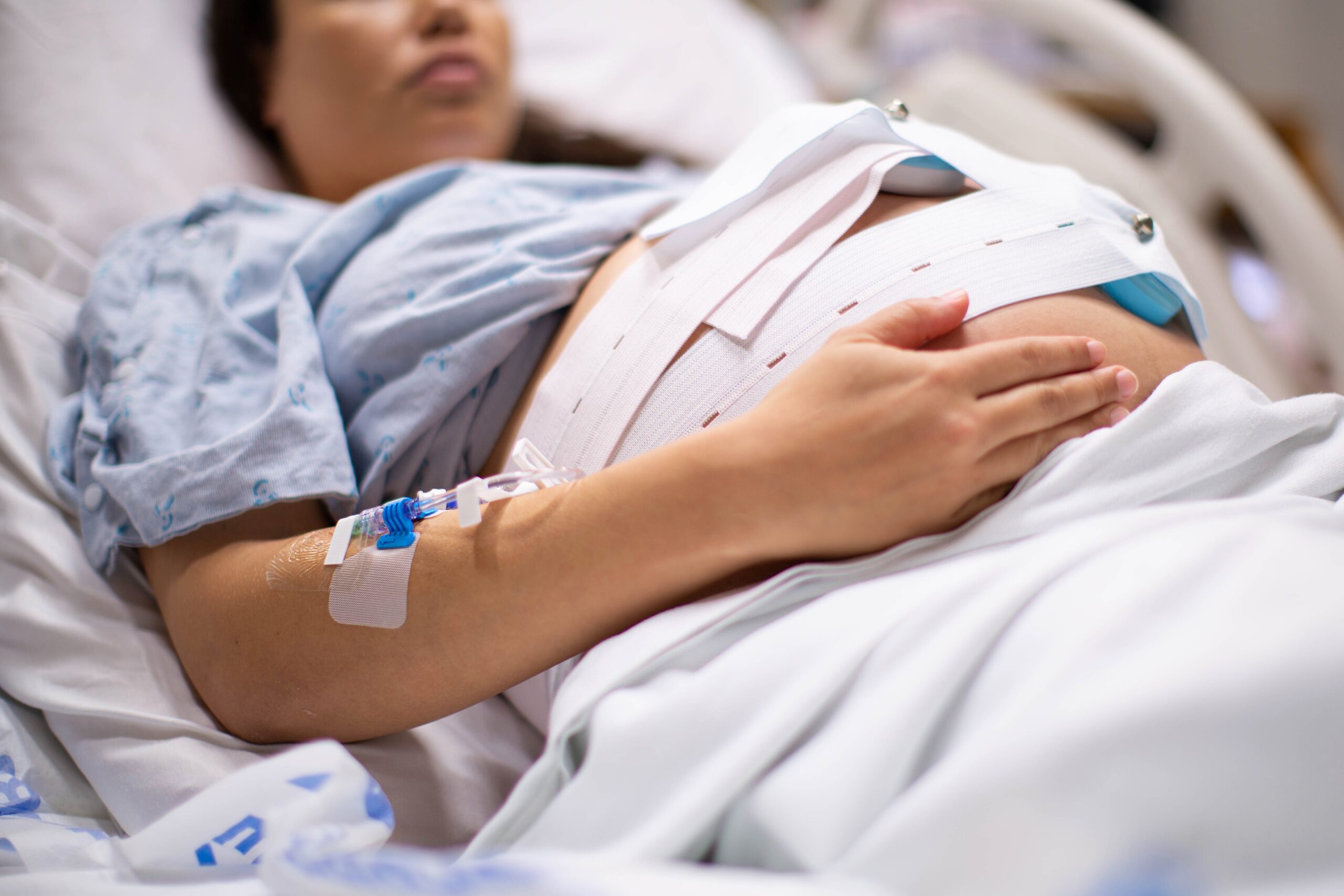
Labor induction is a topic that can seem daunting, especially if you’re approaching your delivery date. This guide will help you understand what it means to induce labor, why it might be necessary, and how it works. We’ll explore both medical methods and ways to induce labor naturally to give you a comprehensive view.
Understanding Labor Induction
Labor induction is the process of stimulating the uterus to begin labor. This can be necessary when a pregnancy goes past term or when health risks to either the mother or baby make an immediate birth advisable.
The primary reason to induce labor is to ensure the health of both mother and baby. For example, if a mother has gestational diabetes, preeclampsia, or her baby is overdue, doctors may suggest induction. It can be a straightforward process when medically justified and conducted in a controlled setting.
The Natural Course: Is It Better?
Many believe letting labor start naturally has significant benefits. When labor begins on its own, it can reduce stress for both the mother and baby. This natural process allows the body to prepare at its own pace, which can help minimize discomfort during birth.
Natural onset might also foster a smoother postpartum recovery. Notably, it can lead to fewer medical interventions during delivery. For this reason, examining the reasons to allow labor to start naturally might be an advisable path to consider, when possible.
Evaluating Readiness: What Is A Bishop Score?
The Bishop Score is a helpful tool. It checks if labor induction is likely to be successful by assessing how prepared the cervix is for labor. This score looks at things like cervical dilation, effacement, and position.
Doctors consider multiple factors to calculate this score. A higher score means conditions are good for labor induction. This assessment determines the best approach, whether medical or considering ways to induce labor naturally.
How Labor Induction Works
The labor induction process involves several steps. First, a doctor discusses the need with you. They examine your readiness using tools like the Bishop Score.
Once confirmed, methods such as breast stimulation to induce labor, breaking the water, or medications start labor. The time it takes can vary; some women progress quickly, while others take longer. Each case is unique and relies on your specific situation.
Reasons for Labor Induction
Labor induction isn’t a spontaneous decision; it’s based on valid medical reasons. Here are some top reasons:
- Overdue Pregnancy: If your baby extends beyond the 42-week mark, induction often gets recommended.
- Gestational Diabetes: This condition can pose risks; labor induction ensures controlled delivery timing.
- Preeclampsia: A severe rise in blood pressure may make early delivery imperative.
- Oligohydramnios: Low amniotic fluid levels require monitoring, sometimes leading to induction.
Clear signs, like decreased fetal movements or suspected growth problems, might make induction necessary. These are usually coupled with additional medical findings to confirm induction’s need.
Understanding the Risks
Like any medical procedure, labor induction has potential risks. Awareness of these is crucial. Some risks include increased need for cesarean sections and prolonged labor.
Many suggest natural labor in low-risk pregnancies to minimize unwanted side effects. Balancing both medical advice and personal preferences ensures informed decisions.
Labor Induction Methods Explained
Different methods exist for labor induction. Medications like synthetic oxytocin induce contractions, while a Foley bulb dilates the cervix mechanically.
There are several ways to induce labor naturally, such as: – Breast Stimulation: This induces oxytocin release, leading to contractions. – Exercise and walking can also trigger labor by encouraging baby positioning.
Considering every method with your healthcare provider ensures alignment with your birth preferences and medical needs.
Impact on Your Birth Plan
Labor induction can change your birth plan, so preparing is wise. Plan and discuss with your care team to navigate these possible changes smoothly.
Adjustments to your original plan might involve method choices or pain management strategies. Engaging early with your healthcare providers fosters clarity and peace of mind.
Personalized Care at The Mother Baby Center
Choosing the right place for labor induction is crucial. The Mother Baby Center offers patient-focused care, with experienced staff to guide you through.
Their approach prioritizes comfort and peace, ensuring every decision made aligns with personal and medical wellbeing. With specialists adept at balancing medical necessities with patient wishes, you’re ensured of a supportive environment during labor induction.
In conclusion, labor induction is a topic with many facets. Whether through medical intervention or exploring ways to induce labor naturally, informed choices and comprehensive care can lead to a safe delivery and a joyful start to life with your newborn.