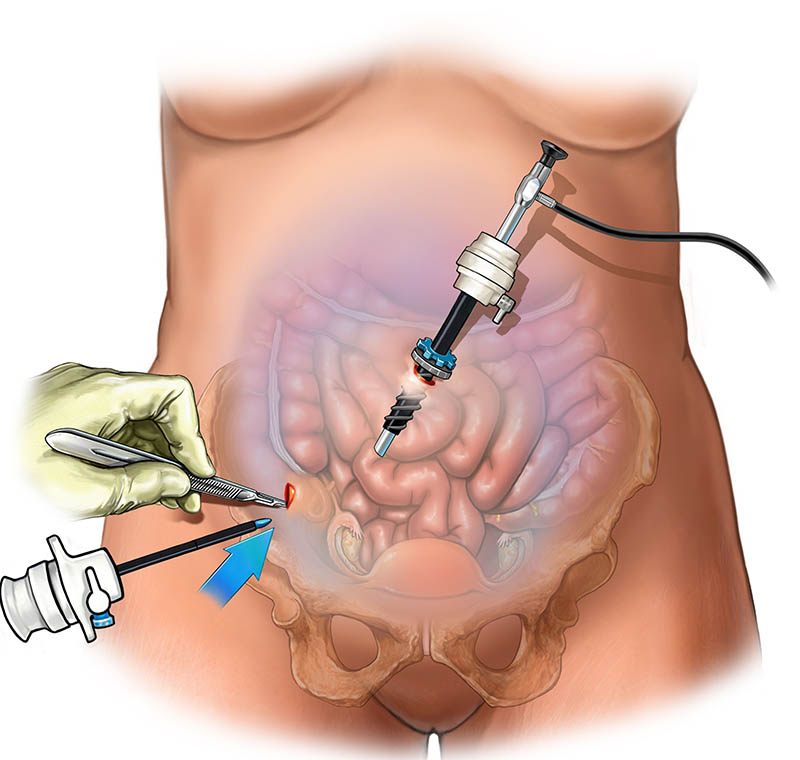
Fortunately, advances in medical technology have provided new solutions. One such advancement is laparoscopy. This method has become a preferred choice for treating blocked tubes. It is less invasive than traditional surgeries and aims to correct abnormalities within the fallopian tube.
So, what exactly is laparoscopy? It is a procedure where a small camera is inserted through tiny incisions in the abdomen. This camera gives doctors a clear view of the internal organs. They can then use specialized tools to open the blocked tubes or even remove what’s causing the obstruction. This procedure is safe and helps increase the chances of pregnancy.
As medicine advances, the benefits of laparoscopy become even more apparent. It offers an innovative way to overcome fertility challenges associated with blocked tubes, leading to positive outcomes.
Key Benefits of Laparoscopy in Managing Blocked Tubes
Laparoscopy is well-known for its minimal invasiveness. Unlike traditional surgeries, laparoscopy requires only small cuts, resulting in tiny scars. This benefit translates to reduced laparoscopy recovery time. Patients typically recover faster than they would from open surgery.
Another significant benefit is precision. Tubal blockage diagnosis through laparoscopy is precise. The tools and cameras used allow doctors to pinpoint exactly where the blockage is. This precision is crucial because it means the problem can be effectively addressed.
Fertility laparoscopy success rate is noteworthy, too. Many women find their chances of conceiving naturally improve after laparoscopy. Even those undergoing fertility treatments like IVF may see enhanced results following this procedure.
Additionally, one of the laparoscopy benefits for blocked tubes is the potential to uncover other undiagnosed issues. Sometimes, other problems might be causing infertility, and laparoscopy allows doctors to find and fix these hidden issues.
In summary, laparoscopy is an excellent choice for addressing tubal issues. Its ability to improve fertility outcomes and provide additional insights during the procedure makes it invaluable.
What to Expect Before, During, and After Laparoscopic Surgery
Considering laparoscopy? Here’s what typically happens along the way.
Before the surgery, you’ll need some preparation. Doctors will consult with you to ensure you’re ready. You may undergo a few diagnostic tests to confirm the state of your fallopian tubes.
During the procedure, expect small incisions on your abdomen. Through these, a camera enters your body, allowing doctors to see your internal organs. They might use a dye to check thoroughly for blockages. This part is usually quick and carried out under general anesthesia.
Post-surgery, the laparoscopy recovery time is relatively short. Most patients return to normal activities within a week or two. While recovering, you’ll get specific instructions on post-operative care. This might include taking it easy and avoiding strenuous activities for a bit.
Early diagnosis and treatment offer the best outcomes. Consulting a fertility specialist can tailor a treatment plan just for you, giving you a clearer path forward.
Conclusion: Embracing Modern Solutions with Laparoscopy for Better Fertility Outcomes
Laparoscopy has become a vital tool for diagnosing and treating blocked fallopian tubes. The precision and minimal invasiveness of this procedure provide an edge over traditional methods.
For anyone dealing with infertility, considering laparoscopy is a wise move. Its advantages offer new opportunities for hopeful outcomes.
With ongoing progress in fertility care, laparoscopy is just one of the many ways modern medicine gives hope to families. It presents a promising route for those eager to expand their families.
Talking to healthcare providers about laparoscopy benefits for blocked tubes can open up various fertility solutions. It’s all about taking steps towards understanding and overcoming infertility challenges, with patience and modern science on your side.