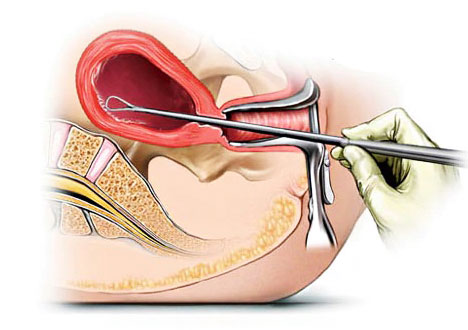
The MTP procedure for women, or Medical Termination of Pregnancy, plays a significant role in women’s reproductive health. It offers women the choice to make safe decisions about their bodies and futures. Understanding the MTP procedure for women helps in making informed healthcare decisions and ensuring safety. It’s important to know what the procedure involves, what to expect, and how to stay safe.
Debunking Myths and Understand the Legal Landscape
There are many myths surrounding the MTP procedure for women. One common misconception is that it’s illegal. In India, under the MTP procedure Act, it is indeed legal, provided it follows certain guidelines. This law ensures women have the right to safely terminate pregnancies under specified conditions, such as risk to the woman’s health or in cases of rape.
Understanding the MTP procedure steps provided in the legal framework is crucial. Initially enacted in 1971, the law has undergone amendments to broaden its scope. These changes reflect the need to respect women’s autonomy in decision-making regarding their health. The act specifies who can perform the procedure and the settings where it can be done safely.
A certified healthcare provider is essential for MTP procedure for women to ensure safety and adherence to the law. They must have training and the skills to manage complications. This is key to minimizing MTP procedure risks and promotes safer practices. Recognizing these provisions helps in ensuring a supportive environment for women considering this procedure.
Navigating the MTP Procedure: Safety, Steps, and Aftercare
The MTP procedure for women can be either a medical or surgical process.
- Medical Abortion: Involves taking medicines prescribed by a doctor. This method is usually recommended up to 9 weeks of pregnancy.
- Surgical Abortion: This involves a minor surgery to remove the pregnancy from the womb. It’s usually an option when a medical abortion isn’t possible.
Both processes are effective but come with their own MTP procedure risks. The choice depends on how far along the pregnancy is, health conditions, and personal preferences.
Safety is a primary concern. Experts agree that both types of procedures are generally safe if performed by qualified healthcare professionals. According to studies, medical abortions are over 95% effective, and surgical ones are about 99%. Hence, knowing these can lessen the worry about MTP procedure risks.
Post-procedure care is important for recovery:
- Rest: Ensure plenty of rest after either procedure.
- Following healthcare advice: Stick to the doctor’s instructions.
- Watch for symptoms: Such as heavy bleeding, fever, or severe pain. Seek medical help if these occur.
Understanding what to expect after the procedure is crucial. Women might experience side effects like cramping and light bleeding. Proper MTP procedure aftercare is needed. Rest, along with emotional support, can make a big difference during the MTP procedure recovery time. It’s always good to know when to reach out for help if something feels off.
Empowering women with knowledge about the MTP procedure steps is crucial. Being emotionally prepared is as important as physical readiness. Women should feel comfortable discussing their feelings and concerns with a medical professional or someone they trust. This transparency helps them navigate emotions and make decisions easier.
Equipping Women with Knowledge and Support
Understanding the legal aspects of the MTP procedure for women is empowering. Knowing the rights under the MTP Act is essential. It highlights women’s autonomy and decision-making ability over their own bodies.
Building a support network is crucial. Friends and family provide emotional backing, while medical professionals offer the necessary medical support. This combination helps women feel secure and supported through every step of the journey.
Women are encouraged to share accurate information about the MTP procedure for women with others. This helps fight misinformation and ensures more women are making informed choices. Speaking openly changes the narrative and promotes understanding, allowing society to progress toward a more informed approach to women’s health.
Having factual and honest conversations benefits everyone involved. By focusing on facts and reliable advice, women can approach the MTP procedure for women with confidence and peace of mind.